The importance of speech therapy in early childhood development
Автор: Пошехонова Валерия Витальевна
Организация: НИУ «БелГУ»
Населенный пункт: Белгородская область, г. Белгород
Understanding Speech and Language Delays
Speech and language delays can manifest in different ways, such as difficulty in pronouncing words, limited vocabulary, or challenges in constructing sentences. These delays can arise from various factors, including genetic predispositions, hearing impairments, or environmental influences. Identifying these delays early on is crucial, as they can affect a child's ability to communicate effectively, which is essential for social integration and academic success.
The Role of Speech Therapists
Speech therapists, or speech-language pathologists, play an essential role in diagnosing and treating speech and language disorders. They assess the child’s specific needs and create personalized treatment plans. Therapy may include activities designed to improve articulation, enhance vocabulary, and develop conversational skills. Additionally, often work closely with families to ensure that strategies are implemented in everyday settings, thereby reinforcing learning outside of therapy sessions.
Methods of Speech Therapy
There are various methods employed in speech therapy, depending on the individual needs of the child. Some common techniques include:
- Play-Based Therapy: This method uses games and playful activities to engage children, making the learning process enjoyable and effective. Through play, children can practice speaking in low-pressure environments.
- Articulation Therapy: This technique focuses on helping children produce sounds accurately. This may use visual aids, tactile cues, or repetition exercises to facilitate correct pronunciation.
- Language Intervention Activities: This may engage children in storytelling, reading together, or discussing pictures to expand vocabulary and improve sentence structure.
- Social Communication Therapy: This approach emphasizes the development of pragmatic skills, such as taking turns in conversation, understanding non-verbal cues, and using appropriate greetings.
The Impact of Speech Therapy
The benefits of speech therapy extend beyond mere communication improvements. Effective speech therapy can boost a child's self-esteem and confidence as they learn to express themselves more clearly. Improved communication skills can lead to better relationships with peers and adults, allowing children to socialize more effectively. Furthermore, as children gain the ability to communicate their thoughts and feelings, their academic performance often improves, setting a foundation for lifelong success.
Conclusion
In conclusion, speech therapy is a crucial aspect of early childhood development. By addressing speech and language delays early on, children can develop the necessary communication skills that are vital for their interpersonal relationships and academic achievements. Speech therapists play an indispensable role in this process, employing various methods tailored to each child’s unique needs. Investing in speech therapy during early childhood is an essential step toward fostering confident and capable communicators.
Список использованной литературы:
- Американская ассоциация речевых патологов и сурдологов. (2020). Понимание задержек речи и языка. Получено с сайта https://www.asha.org/public/speech/development/
- Нельсон, М. М., Йодер, П. Дж. (2018). Ранняя интервенция в области речи и языка: теория и практика. Нью-Йорк: Wiley.
- Монтгомери, Дж. У. (2019). Введение в логопедию. Верхний Сэддл Ривер: Pearson Education.
- Финитцо, Т., и Сандерс, К. (2017). Роль игры в логопедической терапии. Журнал нарушений коммуникации, 65, 45-56.
- Рейнольдс, К. Р., и Сафолк, Д. (2016). Социальные навыки общения у детей: стратегии для логопедов. Обучение и терапия детского языка, 32(2), 139-157.
Опубликовано: 18.04.2026
Пример сертификата за публикацию статьи
Пример диплома за конкурс

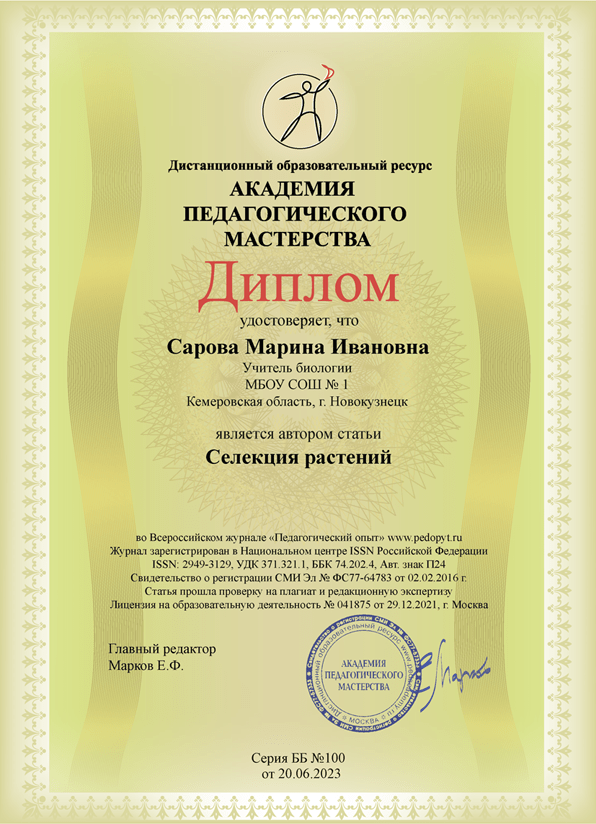
Пример бумажного диплома

Регистрация в Федеральной службе по надзору в сфере связи, информационных технологий и массовых коммуникаций (Роскомнадзор)

Регистрация в Национальном центре ISSN Российской Федерации: 2949-3129